
Walk into any high-end clothing store or browse luxury fashion websites, and you’ll notice a common trend: cashmere products come with a heftier price tag than most other knitwear. A cashmere sweater can cost hundreds of dollars, while a cotton or regular wool alternative might be a fraction of the price. This begs the question: Why is cashmere so expensive? Is it just a luxury brand markup, or is there a legitimate reason behind the steep cost?

The short answer is simple: Cashmere’s high price stems from its extremely limited supply, labor-intensive production process, and unmatched quality. Unlike mass-produced fabrics, cashmere is a rare, natural fiber that requires meticulous care from start to finish. In this in-depth guide, we’ll break down the 5 key reasons why cashmere is so expensive—revealing the hidden work, resources, and expertise that go into every strand of this luxurious material. Whether you’re a fashion enthusiast, a conscious consumer, or considering investing in a cashmere piece (like those from Onward), this article will help you understand exactly what you’re paying for.
1. Extremely Limited Raw Material Supply: Cashmere Comes from Rare Goats in Specific Regions
The first and most fundamental reason for cashmere’s high cost is its scarcity. Cashmere fiber isn’t sourced from sheep (that’s wool) or synthetic materials—it comes exclusively from the undercoat of cashmere goats (Capra hircus laniger), a rare breed native to the harsh, mountainous regions of Central Asia.
These goats thrive in extreme climates, where temperatures can drop to -40°C (-40°F) in winter and rise to 30°C (86°F) in summer. Their undercoat—soft, fine, and insulating—is nature’s way of protecting them from the cold. As explained by National Geographic, extreme temperature swings force these goats to grow ultra-fine insulating fibers, which are naturally shed only once per year.
But here’s the catch: Each cashmere goat produces only a tiny amount of usable fiber per year. On average, a single goat yields just 100–150 grams (3.5–5.3 ounces) of cashmere annually. To put that in perspective, it takes the undercoat of 4–6 goats to make just one standard cashmere sweater. Compare that to a sheep, which can produce 2–3 kilograms of wool per year, and you’ll see why cashmere is far more scarce.
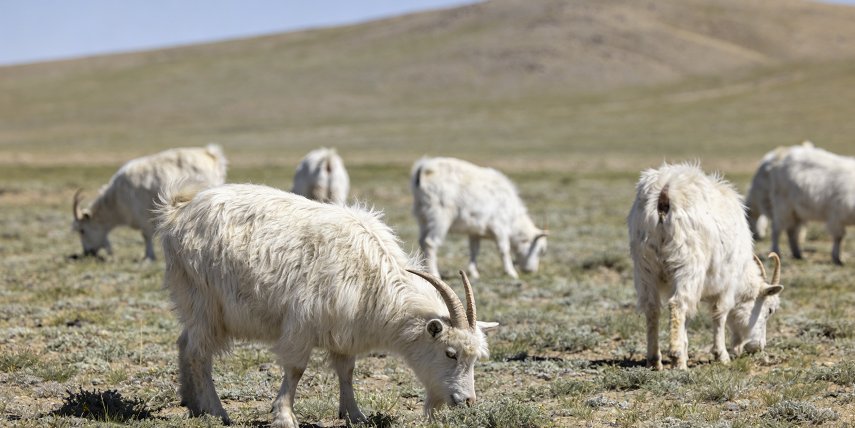
Adding to the scarcity is the fact that cashmere goats can only be raised in specific regions. The top cashmere-producing countries are Mongolia (accounting for 60–70% of global supply), China, Iran, and Afghanistan. These regions have the unique climate and terrain that cashmere goats need to develop their thick undercoats. Any attempt to raise cashmere goats outside these areas results in lower-quality fiber or reduced yields—further limiting the global supply.
For brands like Onward, which prioritize premium quality, the supply is even more limited. Onward sources only Grade A cashmere, the finest grade of cashmere fiber (measured by fineness and length), which makes up less than 10% of the total global cashmere supply. This commitment to quality means Onward must work with select herders in Mongolia and China—paying a premium to secure the best raw material.
2. Labor-Intensive Harvesting: No Machines, Just Skilled Hands
Unlike wool, which can be sheared from sheep with machines in minutes, harvesting cashmere is a slow, manual process that requires skilled labor. Cashmere goats shed their undercoat naturally in spring, when the weather warms up. Herders must carefully comb the undercoat from the goats’ bodies—using special combs to separate the soft undercoat from the coarse outer hair (which is useless for cashmere production).
This combing process is tedious and time-consuming. A single herder can only comb a few goats per day, and the work requires a gentle touch to avoid hurting the goats or damaging the delicate fibers. Machine combing is not an option, as it would tear the fibers and mix the undercoat with the coarse hair, reducing the quality of the final product.

Once the fiber is combed, it’s sorted by hand to remove any debris, coarse hairs, or imperfections. This sorting step is critical—even a single coarse hair can ruin the softness of a cashmere garment. Skilled sorters spend hours picking through the fiber to ensure only the finest strands are used. For luxury brands like Onward, this sorting process is even more rigorous: every batch of cashmere is inspected multiple times to meet strict quality standards.
The labor costs associated with harvesting and sorting cashmere are significant. Many cashmere-producing regions rely on small-scale herders who depend on this work for their livelihoods, and fair wages (a priority for ethical brands like Onward) add to the overall cost of the raw material.
Organizations such as Ethical Trading Initiative (ETI) highlight the importance of fair compensation for herders and fiber sorters—an approach adopted by responsible manufacturers.

3. Complex Processing: Turning Raw Fiber into Luxurious Yarn
After harvesting and sorting, the raw cashmere fiber must go through a series of complex processing steps to turn it into usable yarn. Each step requires precision and expertise—mistakes here can ruin the fiber’s quality.
First, the fiber is washed to remove dirt, grease, and natural oils. This washing must be done with mild detergents and lukewarm water to avoid damaging the delicate fibers. Over-washing or using harsh chemicals can weaken the fiber and reduce its softness. Next, the fiber is carded—passed through fine brushes to align the strands and create a smooth web of fiber. Carding is a delicate process; too much pressure can break the fibers, while too little pressure results in uneven yarn.
The carded fiber is then spun into yarn. Cashmere fiber is extremely fine (typically 14–19 microns in diameter—finer than human hair), which makes spinning challenging. The yarn must be spun at a slow speed to avoid breaking the fibers, and it’s often twisted tightly to add durability without sacrificing softness. Many luxury cashmere brands, including Onward, use a “two-ply” or “four-ply” spinning method (twisting two or four strands of yarn together) to create a stronger, more durable yarn that still feels incredibly soft.

Finally, the yarn is dyed (if needed) using gentle, eco-friendly dyes. Cashmere fiber is sensitive to harsh dyes, so brands like Onward use low-impact, water-based dyes that preserve the fiber’s softness and color fastness. This dyeing process is more expensive than traditional dyeing methods, but it’s necessary to maintain the quality of the cashmere.
Each processing step adds to the cost of cashmere. Unlike synthetic fibers or even regular wool, which can be processed quickly with industrial machines, cashmere requires slow, careful processing to preserve its unique properties. The machinery used for cashmere processing is also specialized and expensive—another factor that drives up the price.
4. Unmatched Quality: Softness, Warmth, and Durability That Lasts
Cashmere’s high price is also justified by its unparalleled quality. When you buy a cashmere garment, you’re not just buying a piece of clothing—you’re buying a product that offers: Exceptional softness: Cashmere fibers are finer and softer than any other natural fiber. This softness comes from the fiber’s smooth surface and fine diameter, which makes it gentle on the skin (perfect for those with sensitive skin).

Cashmere’s high price is also justified by its unparalleled quality. When you buy a cashmere garment, you’re not just buying a piece of clothing—you’re buying a product that offers: Exceptional softness: Cashmere fibers are finer and softer than any other natural fiber. This softness comes from the fiber’s smooth surface and fine diameter, which makes it gentle on the skin (perfect for those with sensitive skin).
· Superior warmth: Despite being lightweight, cashmere is incredibly insulating. It traps body heat more effectively than wool, making it ideal for cold weather without the bulk of a heavy wool sweater.
· Longevity: High-quality cashmere (like the kind Onward uses) is surprisingly durable. With proper care (hand washing, flat drying, and gentle storage), a cashmere sweater can last for 10–15 years—far longer than a cotton or synthetic sweater, which may need to be replaced every 1–2 years.
This combination of softness, warmth, and durability is what makes cashmere a “luxury investment.” While the upfront cost is high, the long lifespan of cashmere means it’s often more cost-effective over time than cheaper, lower-quality alternatives. For conscious consumers, this durability also reduces waste—aligning with sustainable fashion practices that brands like Onward prioritize.

5. Ethical and Sustainable Practices: A Growing Cost Factor
In recent years, ethical and sustainable practices have become a key driver of cashmere’s cost—especially for brands like Onward that are committed to responsible sourcing. Many cashmere-producing regions face challenges like overgrazing (which damages the ecosystem) and unfair labor practices.
The United Nations Environment Programme (UNEP) has highlighted the risks of overgrazing in cashmere-producing regions and stresses the importance of sustainable herd management. Ethical brands invest in sustainable herding programs to protect the environment and ensure herders are paid fair wages.
For example, Onward partners with herder cooperatives in Mongolia that use sustainable grazing methods to preserve the grasslands. Our brand also ensures that herders receive a fair price for their cashmere—above the market average—so they can support their families and communities. These sustainable practices add to the cost of raw material, but they’re critical for the long-term viability of the cashmere industry and the well-being of the people who depend on it.
Additionally, ethical brands like Onward avoid using child labor or exploitative working conditions in their processing facilities. Most of them also invest in eco-friendly processing methods (like water-saving washing and dyeing techniques) that are better for the environment but more expensive than traditional methods.
Is Cashmere Worth the Price? The Verdict
So, is cashmere worth the expensive price tag? For many consumers, the answer is yes—especially if you prioritize quality, comfort, and sustainability. Cashmere’s rarity, labor-intensive production, complex processing, and unmatched quality make it a luxury that’s hard to replicate with cheaper fabrics. And when you choose a brand like Onward, you’re not just buying a cashmere garment—you’re buying a product that’s ethically sourced, sustainably produced, and designed to last.
It’s also important to distinguish between genuine cashmere and cheap imitations. Many low-cost “cashmere” products on the market are actually blends (mixed with wool or synthetic fibers) or use low-quality cashmere (with coarse fibers that feel scratchy). These imitations don’t offer the same softness, warmth, or durability as genuine, high-quality cashmere like Onward’s.


Final Thoughts: The True Cost of Luxury
Cashmere’s high price isn’t just a result of brand markup—it’s a reflection of the time, effort, resources, and expertise that go into every step of its production. From the rare cashmere goats in Central Asia to the skilled herders, sorters, and craftspeople who turn raw fiber into luxurious garments, every part of the cashmere supply chain contributes to its cost.
If you’re considering investing in cashmere, remember that you’re paying for quality, sustainability, and comfort that lasts. Brands like Onward are leading the way in ethical cashmere production, ensuring that every cashmere piece is not just luxurious but also responsible. So the next time you see a pricey cashmere sweater, you’ll know exactly why it’s so expensive—and why it’s worth every penny.
Have more questions about cashmere? Leave a comment below, and our team (including Onward’s cashmere experts) will be happy to answer them. And if you’re ready to invest in a high-quality cashmere piece, check out Onward’s collection of ethically sourced cashmere sweaters, cardigans, and accessories—designed for comfort, durability, and timeless style.
Post time: Feb-13-2026


