
There’s nothing more frustrating than pulling out your favorite cashmere sweater—soft, cozy, and once-perfect—only to find it covered in unsightly pills. Pilling is the bane of every cashmere lover’s existence, but here’s the good news: It’s completely fixable. And with the right techniques, you can restore your cashmere to its smooth, luxurious state without damaging the delicate fibers.
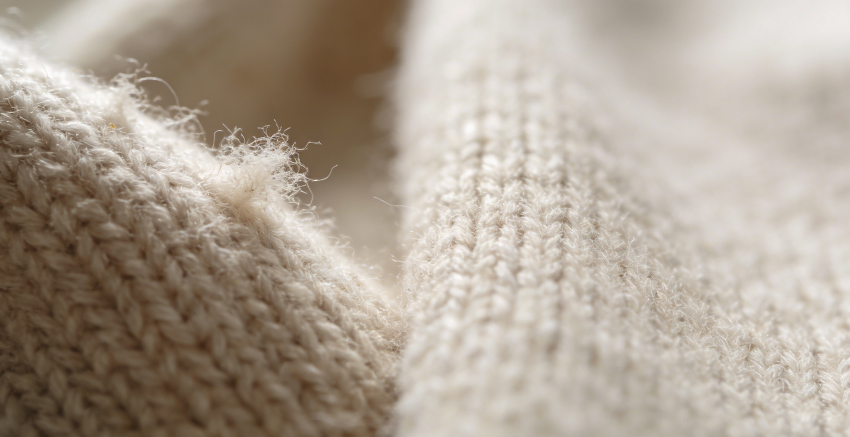
In this guide, we’ll share 6 foolproof methods to fix pilled cashmere, plus expert tips to prevent pilling in the first place. Drawing on Onward’s years of experience crafting high-quality cashmere (using long-fiber Grade A cashmere that’s less prone to pilling), we’ll break down everything you need to know—from household hacks to specialized tools. Whether you’re dealing with mild pilling on a new Onward sweater or stubborn pills on an old favorite, these methods will work for you.
First: Why Does Cashmere Pill? (Understanding the Root Cause)
Before we dive into fixing pilling, it’s important to understand why it happens. Pilling occurs when loose surface fibers rub together (from wear, washing, or storage) and form small, tangled balls.
According to the International Wool Textile Organisation (IWTO), longer fibers are more resistant to fiber migration and breakage, significantly reducing pilling compared to short-staple fibers.

While it’s easy to blame “low quality,” pilling can happen to even the finest cashmere—though the frequency and severity depend on three key factors:
· Fiber length: Short cashmere fibers (under 25mm) are more likely to break and pill than long fibers (30mm+). Onward uses only long-fiber cashmere (32–38mm) in all our garments, which significantly reduces pilling.
· Knitting density: Loosely knit cashmere (low gauge) has more loose fibers that rub together, while tightly knit cashmere (high gauge, like Onward’s 12–14 gauge) is more resistant to pilling.
· Wear and care: Friction from bags, jewelry, or frequent washing (especially in a machine) accelerates pilling. Proper care (hand washing, flat drying) can slow it down.
The key takeaway: Pilling is normal—even for high-quality cashmere. It’s not a sign of a “bad” garment; it’s just a natural process that can be easily reversed.
6 Methods to Fix Pilled Cashmere (Ranked by Effectiveness)
Below are the most effective ways to remove pills from cashmere, ordered from best (safest, most efficient) to least. Always test a small, inconspicuous area (like the inside of the sleeve) first to ensure you don’t damage the fibers.

Method 1: Cashmere Comb (Best Overall)
A cashmere comb (also called a lint comb or fabric comb) is the gold standard for removing pills—it’s gentle, precise, and works on all levels of pilling. As noted by The Woolmark Company , gentle mechanical removal using appropriate tools helps eliminate pills without damaging the underlying fiber structure.
Onward’s cashmere experts recommend this method for all our garments, as it removes pills without stretching or breaking the fibers.
What you need: A metal cashmere comb (avoid plastic, which can snag fibers) or a specialized cashmere pilling tool (like the ones sold on Onward’s accessory page).
Step-by-step:
1. Lay the cashmere garment flat on a clean, hard surface (like a table) and smooth out any wrinkles.
2. Hold the comb at a 45-degree angle to the fabric (never straight up and down—this can pull fibers).
3. Gently comb the pilled area in the direction of the fiber (not against it). Start with light pressure and increase slightly if needed.
4. As pills accumulate on the comb, wipe them off with a dry cloth.
5. Repeat until all pills are removed, then gently brush the area with a soft bristle brush (like a clean makeup brush) to remove any loose fibers.
Pro tip from Onward: Comb your cashmere every 3–4 wears to prevent pill buildup—this is easier than removing stubborn pills later.
Method 2: Battery-Operated Pill Remover (Fast & Easy)
If you have a lot of pilling or want a quicker solution, a battery-operated pill remover (also called a fabric shaver) is a great option. It’s safe for cashmere as long as you use the lowest setting and avoid pressing too hard.
What you need: A battery-operated pill remover with adjustable settings (look for one with a small, round head to reach tight areas like cuffs).
Step-by-step:
1. Lay the cashmere flat on a hard surface (a padded board works well to avoid damaging the fabric).
2. Turn on the pill remover and hold it parallel to the garment (don’t tilt it).
3. Glide the remover gently over the pilled area—let the blades do the work, don’t press down.
4. Empty the lint compartment regularly as you work.
5. After removing pills, use a soft brush to sweep away any remaining loose fibers.
Warning: Avoid using electric shavers or hair trimmers—they’re too powerful and will cut the cashmere fibers, ruining the garment.

Method 3: Disposable Razor (Household Hack)
If you don’t have a cashmere comb or pill remover, a clean, sharp disposable razor (without moisturizing strips) works in a pinch. This method is effective for mild to moderate pilling but requires extra caution to avoid cutting the fabric.
What you need: A new disposable razor (unscented, no strips) and a dry cloth.
Step-by-step:
1. Lay the cashmere flat and smooth out wrinkles.
2. Hold the razor at a very low angle (almost parallel to the fabric) to minimize the risk of cutting.
3. Gently glide the razor over the pilled area in one direction (don’t backtrack). Use light, even pressure.
4. Wipe away pills with a dry cloth as you go.
5. Check the fabric regularly for cuts—if you see any, stop immediately.
Onward’s note: This is a temporary fix—for long-term care, invest in a cashmere comb (it’s gentler and more effective).

Method 4: Tweezers (Precise for Stubborn Pills)
For a few stubborn, large pills (like those under the arms or on the cuffs), tweezers are perfect—they let you target individual pills without damaging the surrounding fabric.
This method aligns with textile conservation practices , where controlled, minimal intervention is recommended for delicate natural fibers.
What you need: A pair of clean, sharp tweezers (slanted tips work best).
Step-by-step:
1. Hold the cashmere garment taut (ask a friend to help, or clip it to a hanger) to make the pills stand out.
2. Use the tweezers to gently grasp the base of a pill (not the top—this can pull fibers).
3. Pull the pill straight up and away from the fabric in one quick motion.
4. Repeat for all stubborn pills, then brush the area with a soft brush.
Pro tip: Never twist or yank the pill—this can tear healthy cashmere fibers. A quick, clean pull is best.
Method 5: Tape (Mild Pilling Only)
Clear packing tape or duct tape (cut into small strips) works for very mild pilling or to remove loose fibers after using another method. It’s gentle but not very effective for thick or stubborn pills.
What you need: Clear packing tape (preferred, as it’s less sticky than duct tape).
Step-by-step:
1. Cut a 2–3 inch strip of tape and press it firmly onto the pilled area.
2. Pull the tape off quickly in one direction—this will lift loose pills and fibers.
3. Repeat with fresh tape until no more pills come off.
Note: Avoid using this method on delicate or thin cashmere—too much pressure can stretch the fabric.
Method 6: Washing Machine (Last Resort for Severe Pilling)
This method is only for severe pilling and should be used as a last resort, as it can be harsh on cashmere. It works by agitating the fabric to loosen pills, which are then caught by a lint trap or mesh bag.
What you need: A mesh laundry bag, mild cashmere detergent, and a washing machine with a “delicate” or “wool” cycle (cold water only).

Step-by-step:
1. Turn the cashmere garment inside out and place it in the mesh bag (this protects it from friction).
2. Add a small amount of mild cashmere detergent (never use bleach, fabric softener, or regular laundry detergent).
3. Set the washing machine to “delicate” or “wool” cycle with cold water (30°C/86°F max).
4. Run the cycle—do not add any other clothes (this reduces friction).
5. Remove the garment from the bag immediately after the cycle ends. Lay it flat to dry (never put it in the dryer).
6. Once dry, use a cashmere comb to remove any remaining pills.
Onward’s warning: This method can shorten the lifespan of your cashmere if used too often. Stick to hand washing for regular care.
Expert Tips to Prevent Cashmere Pilling (Long-Term Solution)
Fixing pilling is great, but preventing it is even better. Follow these tips from Onward’s cashmere experts to keep your garments pill-free for years:
1. Choose High-Quality Cashmere (The Most Important Step)
The best way to prevent pilling is to buy cashmere made from long, fine fibers. Onward’s Grade A cashmere (14–19 microns, 32–38mm fiber length) is specifically chosen for its resistance to pilling. Avoid cheap cashmere blends or garments made from short fibers—they’ll pill within a few wears.

2. Wash Cashmere Properly
Hand wash cashmere gently with mild detergent (like Onward’s recommended cashmere wash) and cold water. Avoid machine washing (even on delicate) unless necessary, and never put cashmere in the dryer (heat and agitation cause pilling). Lay flat to dry in a cool, well-ventilated area.
3. Rotate Your Cashmere Garments
Don’t wear the same cashmere sweater two days in a row—this gives the fibers time to “recover” and reduces friction. Rotate between 2–3 cashmere pieces for everyday wear.
4. Protect Against Friction
Friction is the main cause of pilling, so avoid wearing cashmere with rough fabrics (like denim jackets) or accessories that rub (like bulky bags, wide belts, or jewelry with sharp edges). If you do wear a bag, switch shoulders regularly to distribute friction.
5. Store Cashmere Correctly
Fold cashmere neatly and store it in a breathable container (cotton pillowcase or linen bag—avoid plastic). Add cedar blocks or lavender sachets to repel moths (body oils on dirty cashmere attract moths, which can damage fibers). Never hang cashmere—this stretches the fibers and causes pilling at the shoulders.

6. Comb Cashmere Regularly
As mentioned earlier, combing your cashmere every 3–4 wears removes loose fibers before they form pills. This takes 2–3 minutes and will save you time in the long run.
Common Mistakes to Avoid When Fixing Pilled Cashmere
When removing pills, it’s easy to make mistakes that damage your cashmere. Here are the biggest no-nos:
· Using scissors to cut pills: This is risky—you’ll almost certainly cut the underlying cashmere fibers, leaving permanent holes.
· Pressing too hard with tools: Whether using a comb, pill remover, or razor, excessive pressure will break or stretch cashmere fibers.
· Washing with harsh chemicals: Bleach, fabric softener, and regular laundry detergent weaken cashmere fibers, making them more prone to pilling.
· Drying cashmere in the sun or dryer: Heat fades colors and weakens fibers, accelerating pilling and shrinkage.
· Brushing against the fiber direction: This pulls fibers out of the fabric, causing more pilling and thinning.

When to Replace Your Cashmere (Instead of Fixing Pilling)
Most pilled cashmere can be fixed, but there are times when it’s better to replace the garment:
- If the fabric is thinning significantly (you can see light through it) or has holes (not just pills).
- If the cashmere feels overly scratchy or stiff (this means the fibers are damaged beyond repair).
- If the garment has shrunk or lost its shape (even after proper care).
With Onward’s high-quality cashmere, you’ll rarely need to replace your garments—our pieces are designed to last 10–15 years with proper care.
Onward’s Cashmere Care Kit: Everything You Need to Fix & Prevent Pilling
To make caring for your cashmere easy, Onward offers a premium Cashmere Care Kit that includes:
- A metal cashmere comb (gentle on all our cashmere garments).
- Mild, pH-neutral cashmere detergent (formulated to preserve softness and prevent pilling).
- A breathable cotton storage bag (protects cashmere from friction and moths).
- A small lint brush (for removing loose fibers after combing).
This kit is designed specifically for Onward’s cashmere (and all high-quality cashmere) and will help you keep your garments looking like new for years.

Final Thoughts: Pilling Isn’t the End of Your Cashmere’s Life
Pilling is a normal part of owning cashmere—but it doesn’t have to ruin your favorite garment. With the right tools (like a cashmere comb) and techniques, you can easily fix pilled cashmere and restore its luxurious feel. And by following our prevention tips (choosing high-quality cashmere like Onward’s, washing properly, and rotating wears), you can minimize pilling in the first place.
Remember: The key to long-lasting cashmere is care. Invest a little time in maintaining your garments, and they’ll reward you with years of comfort and style.
Have more questions about fixing or preventing cashmere pilling? Leave a comment below, and our team of cashmere experts will be happy to help. And if you’re ready to invest in pilling-resistant cashmere, check out Onward’s collection—crafted with long-fiber Grade A cashmere that’s designed to stay smooth and soft.
Post time: Jan-30-2026


